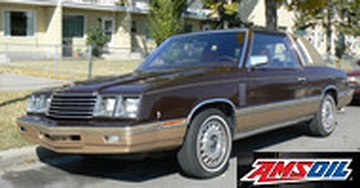
Maintaining Lubrication Integrity for the 1982 Dodge 400 2.2L
Proper engine maintenance is a cornerstone of long-term vehicle health, particularly when managing an engine that has been in operation for several decades. For the 1982 Dodge 400 equipped with the 2.2L engine, consistent attention to lubrication and fluid integrity ensures that mechanical components continue to operate within their intended parameters. While modern vehicles often feature automated monitoring systems, older engines require a more hands-on approach to identify potential issues before they escalate into significant mechanical concerns.Monitoring Fluid Condition and Consumption
One of the most effective ways to monitor the health of the 2.2L engine is through regular observation of fluid levels and the physical condition of the oil itself. Changes in how an engine utilizes its lubricant can be early indicators of shifting mechanical tolerances or sealing efficiency. When performing routine checks, it is useful to observe several factors:- Fluid Color and Clarity: While engine oil naturally darkens over time due to use, extremely rapid darkening or a milky appearance can warrant closer inspection.
- Consumption Rates: Pay attention to whether the vehicle requires more frequent top-offs than usual. A sudden increase in the amount of oil needed between service intervals should be investigated.
- External Seepage: Periodically inspect the area around the engine for any signs of fluid weeping or active leaks. This includes checking the surfaces where various gaskets and seals meet the engine block or head.
Prioritizing Maintenance Based on Current Condition
For an owner of a 1982 Dodge 400, maintenance strategy should ideally be driven by the actual state of the vehicle rather than just its age. While chronological age is a factor, the physical condition of components like hoses, belts, and seals provides much more actionable data. If you are stepping into ownership of this vehicle without a complete service history, establishing a baseline is a practical first step. This involves performing a comprehensive inspection of all major service points to understand what has been recently addressed and what may be approaching the end of its service life. Once a baseline is established, you can transition from reactive repairs to proactive maintenance. When managing an older engine, it is helpful to distinguish between preventive tasks—such as regular oil changes—and the replacement of aging components that show visible signs of wear. For example, if accessible drive belts show signs of cracking or glazing, or if rubber hoses feel excessively soft or brittle, addressing these items early can prevent unexpected interruptions in service.Observing Potential Warning Signs
Identifying potential issues early can save significant time and resources. When operating the 2.2L engine, certain indicators should never be ignored. While no single symptom provides a definitive diagnosis, they serve as important prompts for investigation. An unusual odor during or after operation may indicate that lubricant is contacting a hot surface. Similarly, any unexpected mechanical noises—such as tapping, knocking, or grinding—should be investigated immediately. If the vehicle's dashboard features warning indicators related to oil levels or pressure, these require immediate attention. It is also important to monitor the cooling system if it is equipped with traditional hoses and connections. Evidence of coolant loss or visible leaks around the cooling components can sometimes be related to broader engine temperature management issues. Maintaining a clean environment around the engine by removing accumulated debris can also make it much easier to spot new leaks or signs of overheating as they arise.Long-Term Ownership and Record Keeping
Effective long-term ownership of a 1982 Dodge 400 relies heavily on organized documentation. Keeping a detailed log of all services performed—including the dates, mileage, and specific products used—provides an invaluable resource for both the current owner and any future technicians. A well-maintained service history allows you to:- Track the frequency of oil changes and other fluid services.
- Identify patterns in component wear or part replacement.
- Verify that the correct lubricants and specifications have been applied over time.
- Make informed decisions about whether a specific repair is necessary based on previous work.
Effective Inspection of Aging Components
As vehicles age, certain materials naturally undergo changes due to thermal cycling and environmental exposure. For the 1982 Dodge 400, a systematic approach to inspecting these components is beneficial. When performing a visual inspection, look closely at electrical connections for signs of corrosion or loose seating. Similarly, check any visible wiring for brittleness or damage to the insulation. If the engine is equipped with various belts and hoses, inspect them for signs of deterioration such as fraying, cracking, or swelling. Regarding seals and gaskets, look for evidence of seepage. It is common for older engines to exhibit minor amounts of "sweating" around certain surfaces, but any active drip or significant accumulation of grime caused by leaking fluid should be addressed. This proactive approach helps ensure that the engine remains clean and that all lubrication stays where it is intended to be.Practical Guidance for Buying Engine Oil for your 1982 Dodge 400 2.2L
When it is time to replenish the lubricant in your 1982 Dodge 400 2.2L, the most important step is to ensure the product matches the specific requirements of your engine. Rather than relying on general assumptions about what an older vehicle might need, you should always refer to the application-specific information provided on this page. When selecting a product, consider the following:- Match the Viscosity: Use the vehicle-specific oil viscosity listed in the application information on this page. Do not substitute different grades based on general advice or perceived climate needs unless they align with the provided data.
- Evaluate Formulations: Depending on your engine's current condition, you may choose between conventional, synthetic blend, or full synthetic oils. Some high-mileage oil formulations contain additives intended for use in aging engines, including seal-conditioning additives that may be beneficial for older seals.
- Verify Quality: Always check the product labeling to ensure the oil meets the appropriate API service classifications.